
Ear Training, Perfect Pitch, And Why You Should Stop Reading Chords Over Lyrics

Share

Friday, November 6th. I’m practicing for a wedding next Saturday, and it turned into a week about listening.
Stand By Me
The couple asked for a few processional songs. Two I knew well. Stand By Me I’d never really played.
My first sloppy version just mimicked the melody. Then I did what I always do: I listened carefully, printed the lyrics, and worked out the melody syllable by syllable. I wrote it out, much like I did with Brothers In Arms, and then added the real bass part underneath. Reasonable never entered the equation, but it looked possible. Now it’s a solo arrangement, and it’ll be ready by Saturday.
King Of The Road: Songs That Change Keys
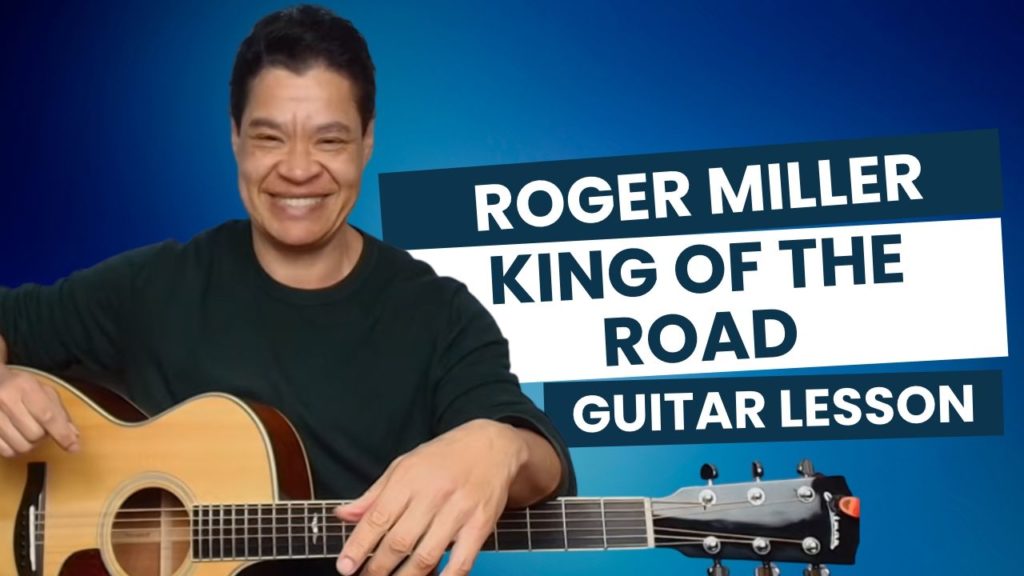
A few weeks ago I talked about songs that change keys, like The Gambler, Woman and Rainbow Connection. Nesh just put out a lesson on one that does it beautifully: Roger Miller’s King of the Road.
It’s a simple 1-4-5 song that starts in B and cranks up a half step to C. I tried it instrumentally and found G to A-flat awkward, but E to F looks like a good possibility.
Perfect Pitch Versus Relative Pitch
A student sent me a New York Times article about a music teacher who suffered a frontal lobe injury in a motorcycle accident and woke up with perfect pitch. Fascinating read.
Perfect pitch is the ability to name a note with no reference point, and only about one in 10,000 people have it. Even then, you still have to learn the language of notes and chords for it to be useful.
What you can develop is relative pitch: finding a note when you’re given a reference point. Learn your intervals by tying them to songs you know. Do-Re-Mi is a second, Twinkle Twinkle is a fifth, and Somewhere is an octave.
Why Chords Over Lyrics Make You Forget
Students often play a song straight off a chord sheet. They get most chords right, but when I close the book and ask what key it was in, or which chords they played, they have no idea. They saw a G and played a G. The chord never registered.
If you work out a song by ear, you remember it. And if you forget it, figuring it out again five years later takes a fraction of the time.
Our ear training course has two phases: melody first, then harmony and chord progressions.
The 5-Minute Challenge: Starting Monday, spend five minutes a day for 30 days listening to something and figuring it out. Work through my course, or put on a song and try to name the key without watching the guitarist’s hands. A big chord that sounds thick and minor? It can’t be C# minor or D minor, so it’s likely A minor or E minor. Log it on the Forum, and we may add a listening webinar.
Getting Into Open D Tuning
I closed with a Nick Drake tune that grabbed me this week. I may build a lesson on it, so if you were the one who requested it, speak up on the Forum.
Here’s the fast way into open D:
–Ballpark each string first: 1st and 6th strings down to D, 2nd to A, 3rd to F#.
-Then get the tuner out.
– Recheck the strings you didn’t touch, because the change in neck tension throws them sharp.
– If you plug in a cable, check the tuning again. Mine went slightly sharp.
Join the challenge, and I’ll see you next week.
— Neil